Stations Transfers Comfort Cities Guides Tickets FAQ Search trains
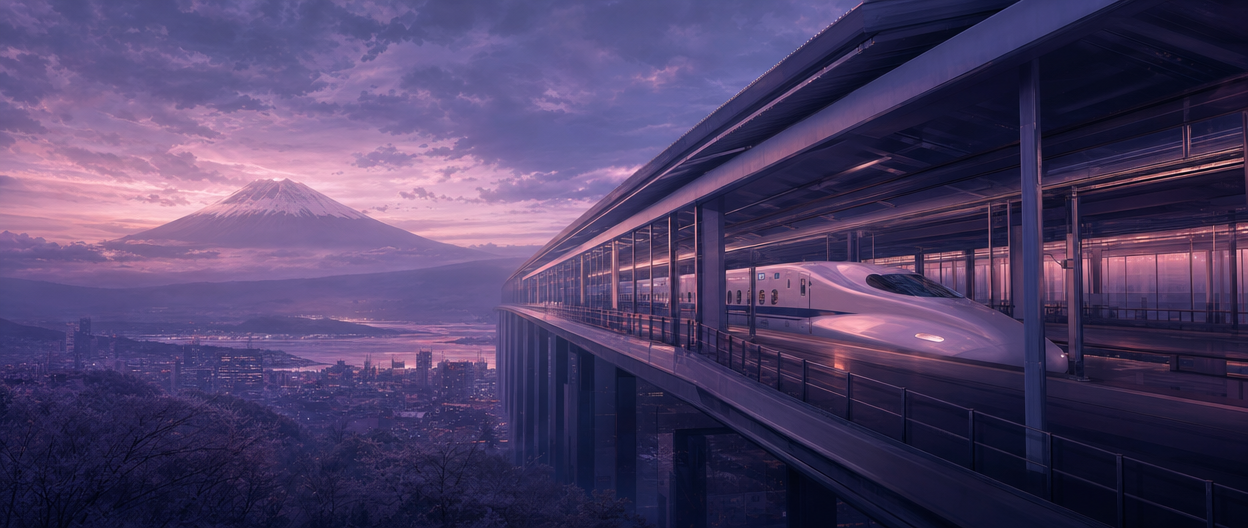
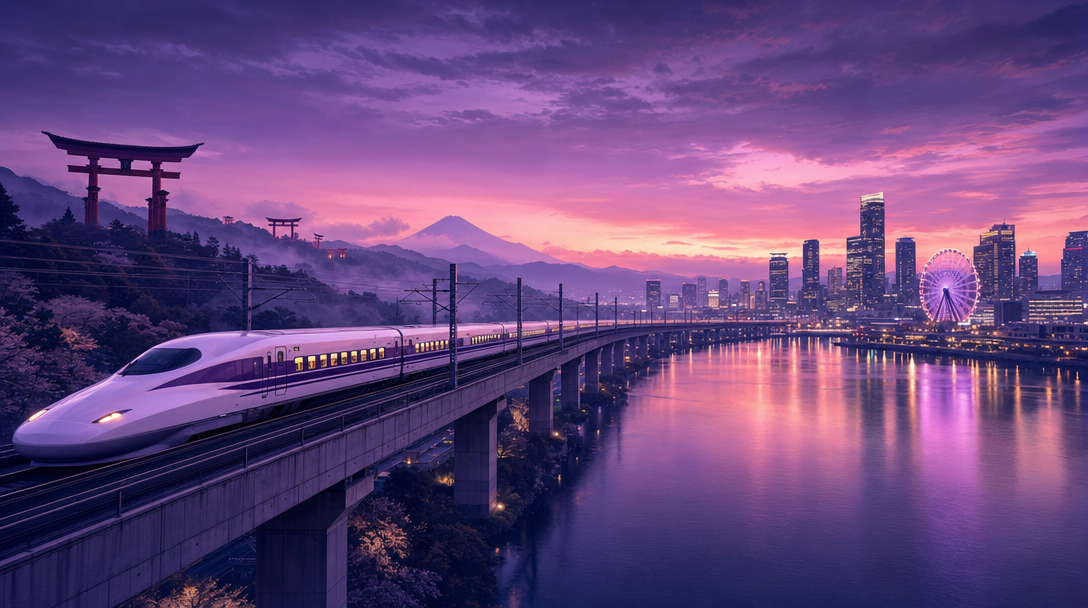
A Shinkansen bullet train speeding along an elevated viaduct between vermilion torii gates and a glowing Osaka skyline at dusk

Kyoto Osaka Train — Four Ways to Cross Japan's Original Bullet-Train Corridor

Four rail lines — Shinkansen, JR, Hankyu, and Keihan — link the two cities across roughly 40 km, with the fastest connection taking just 15 minutes.

Shinkansen, JR, Hankyu and Keihan all run direct along the corridor in as little as 15 minutes. No transfers, no wasted time.
15 minFastest
~40 kmDistance
4Rail lines
~$2.75Cheapest fare
Not all Shinkansen are equal

Nozomi, Hikari, or Kodama? The Shinkansen Fine Print

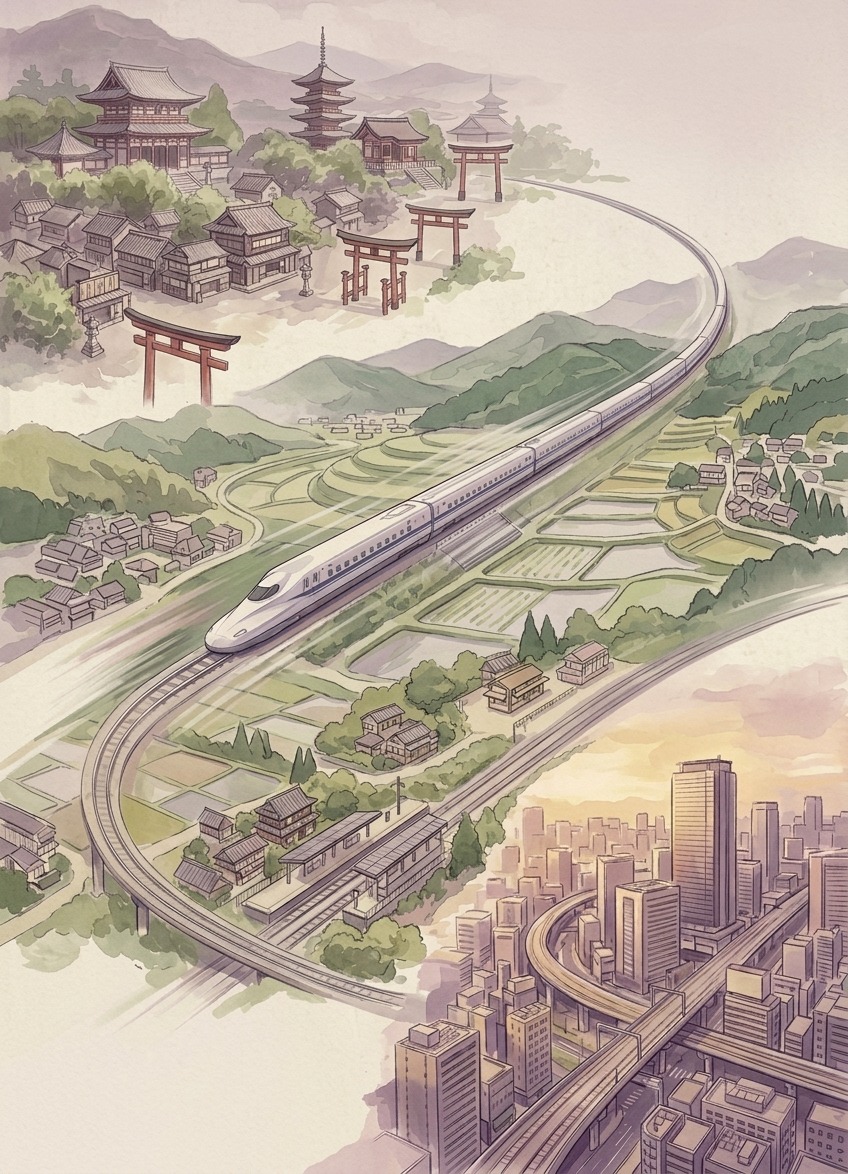
An illustrated aerial view of the Shinkansen route curving from Kyoto's temples and torii gates through the countryside into the Osaka skyline
Fastest, most frequent

Nozomi

Runs as often as every 3–5 minutes at peak times and makes the fewest stops. The catch: Nozomi is not covered by the national Japan Rail Pass, so pass holders pay a separate surcharge fare to ride it. Worth the extra cost if you're short on time or riding during a busy travel weekend, when reserved seats on slower trains sell out first.

JR Pass covered

Hikari

A close second on speed, stopping at a few more stations along the Tokaido line, and fully included in the national JR Pass — the practical default for pass holders riding Kyoto Station to Shin-Osaka Station. It also runs a Green Car for extra legroom, so it's a solid middle ground between Nozomi's speed and Kodama's low fare.

Slowest, cheapest to find a seat on

Kodama

Stops at every station on the line, so it takes longer end to end. For this short Kyoto-Osaka segment specifically the time difference barely registers, and Kodama trains are usually the easiest to find an empty unreserved seat on. A good pick if you're on a tight budget or want the flexibility to hop off partway for a quick look at a smaller station along the route.

The confusing part

Shin-Osaka, Osaka Station, or Namba? Getting Your Stations Straight

When the Shinkansen was built, engineers couldn't feed dedicated high-speed track directly into Osaka's already-congested Umeda hub — so they built an entirely new station, Shin-Osaka, about 3–4 km north of the city center, in 1964. That single decision is why "the fastest train" isn't automatically "the fastest way to get there."

The elevated Shin-Osaka Shinkansen station platform
Shinkansen only

Shin-Osaka Station

Tap for details

Peripheral, not a destination in itself — Shin-Osaka exists purely because the Shinkansen needed its own dedicated platforms when it opened in 1964. Reach central Osaka with one more stop on the JR Special Rapid (~4 min) or the Midosuji subway line from the station's basement level. Coin lockers and a small concourse of shops make it a reasonable spot to regroup, but there's no real reason to linger.

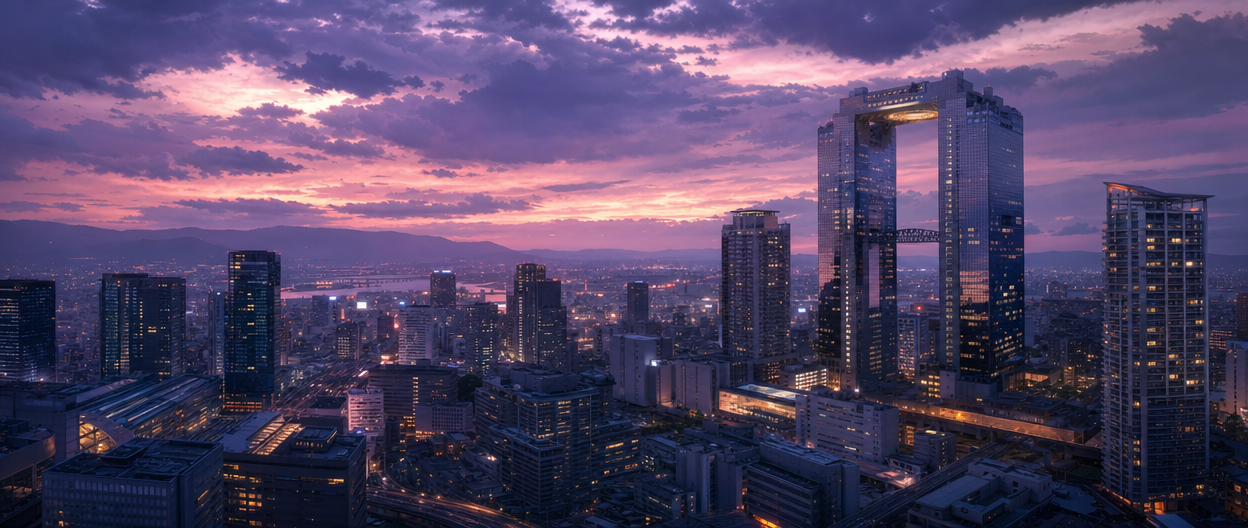
Osaka's Umeda skyline at dusk
JR + Hankyu

Osaka Station / Umeda

Tap for details

Osaka's real commercial center, not the Shinkansen stop — JR's Special Rapid and Hankyu's Kyoto Line both drop you here, one stop from Shin-Osaka. The Umeda complex bundles department stores, the Midosuji subway line, and a maze of underground passages that take a visit or two to get comfortable with. The Umeda Sky Building's floating-garden observatory is a short walk away if you have an hour to spare.

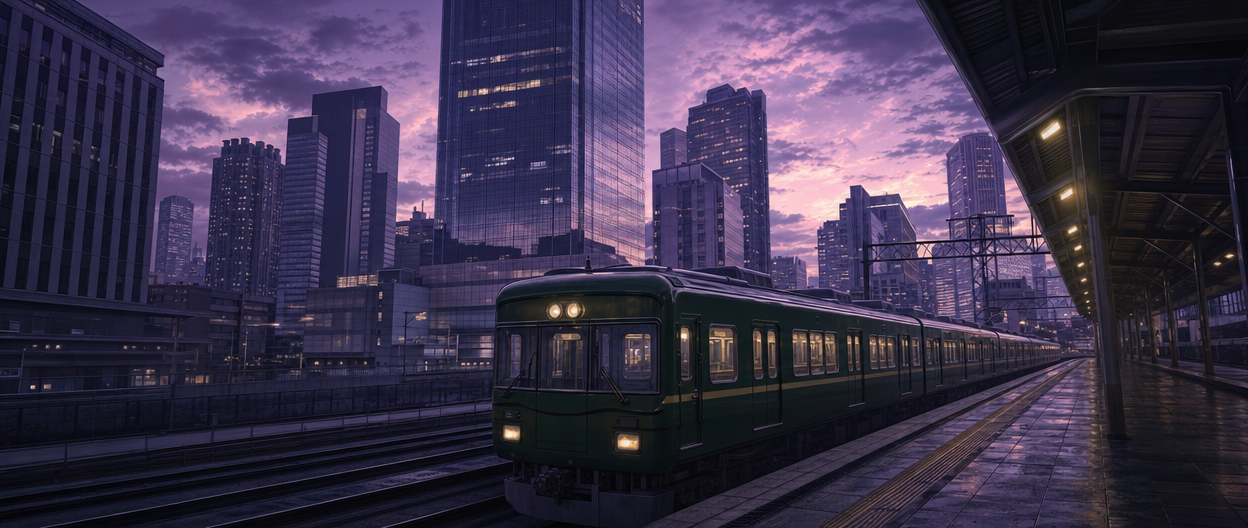
A Keihan Railway platform in an Osaka business district
Keihan

Yodoyabashi / Kyobashi

Tap for details

Keihan's two Osaka termini sit in the business district just east of Umeda — Yodoyabashi right on the Midosuji subway line, Kyobashi a short walk from the JR Osaka Loop Line. Neither is as central as Umeda itself, but both connect on with one more short ride, and Keihan's own Premium Car makes the run in from Kyoto a genuinely comfortable one.

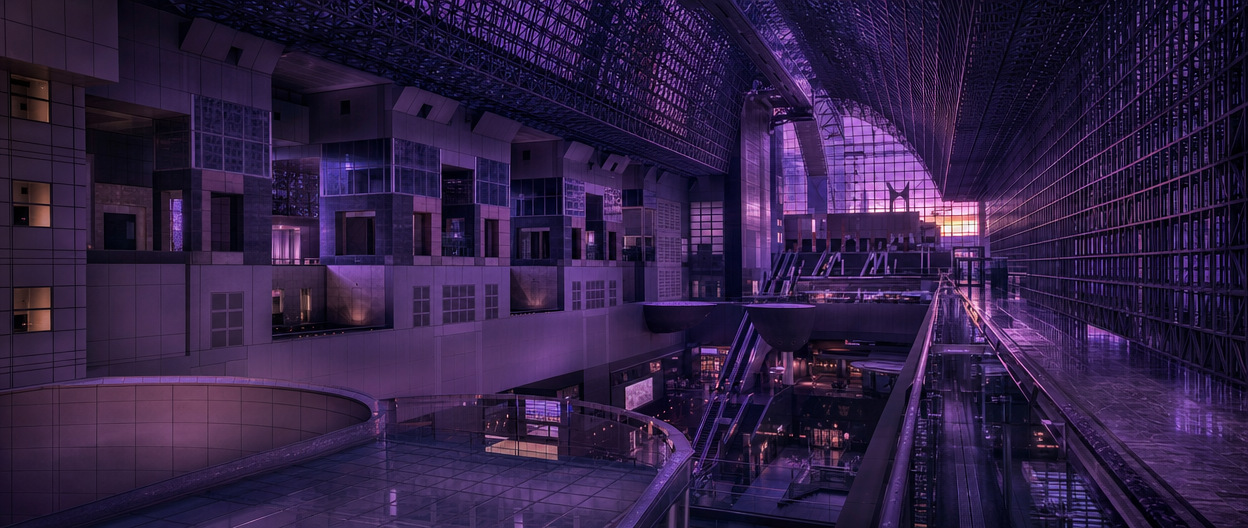
The modern glass-and-steel atrium facade inside Kyoto Station
JR + Shinkansen

Kyoto Station

Tap for details

Kyoto's one central hub for JR and the Shinkansen, with the city's subway and a sprawling bus terminal on-site — most travelers heading to Gion, Kiyomizu-dera, or Fushimi Inari start here. The station building itself, a soaring glass-and-steel atrium, is worth a few minutes even if you're just passing through, with a rooftop viewing area and a department store built into the same complex.

Three stations, three transfers

Getting Through the Station: Transfers Made Simple

The elevated Shin-Osaka Shinkansen station platform
Shinkansen arrival

Shin-Osaka to Central Osaka

Follow signs for the JR Kyoto Line / Osaka Loop Line platforms and ride one stop to Osaka Station, or take the Osaka Metro Midosuji Line from the station's basement level directly to Umeda, Shinsaibashi, or Namba.

  • One stop (~4 min) via JR Kyoto Line / Osaka Loop Line
  • Midosuji subway line direct to Umeda, Shinsaibashi, Namba
  • Built from scratch in 1964 — dedicated Shinkansen track couldn't be threaded into the already-congested Umeda hub
Beyond speed and price

Onboard Comfort: What Each Line Actually Offers

On a 15-to-50-minute hop, onboard amenities matter less than on a long-haul Shinkansen run — but they still vary more than you'd expect between the four lines, and it's worth knowing before you pick a seat.

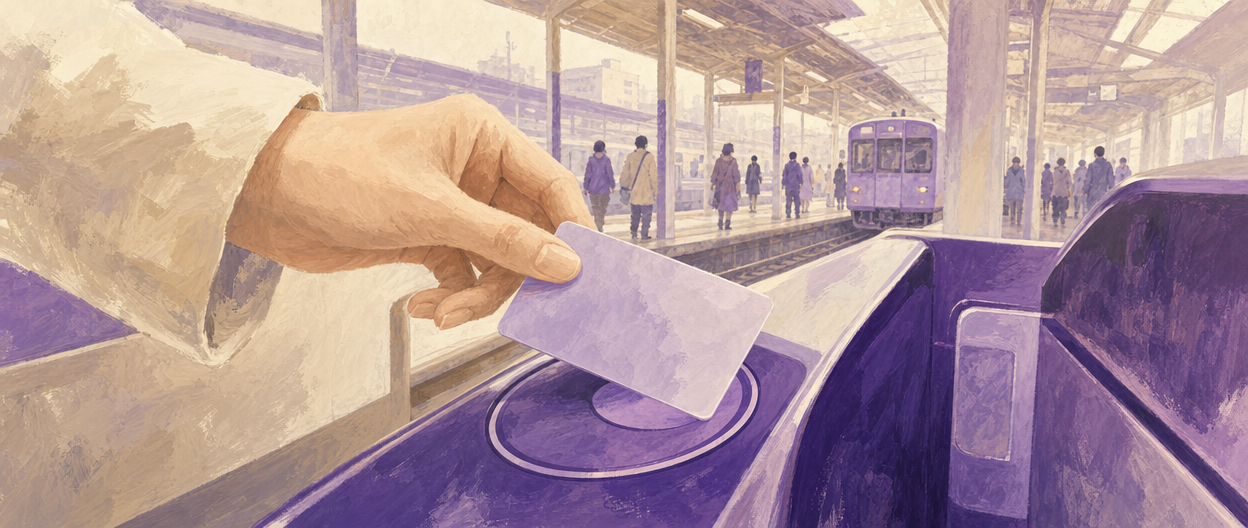
Illustration of a hand tapping an IC transit card against a purple train ticket gate reader
All four lines

IC Card Tap-In

Tap for details

IC Card Tap-In

ICOCA, Suica, PASMO, and the other nationwide IC cards work for instant tap-in, tap-out boarding on every one of these lines — the real amenity that makes this corridor so painless to ride.

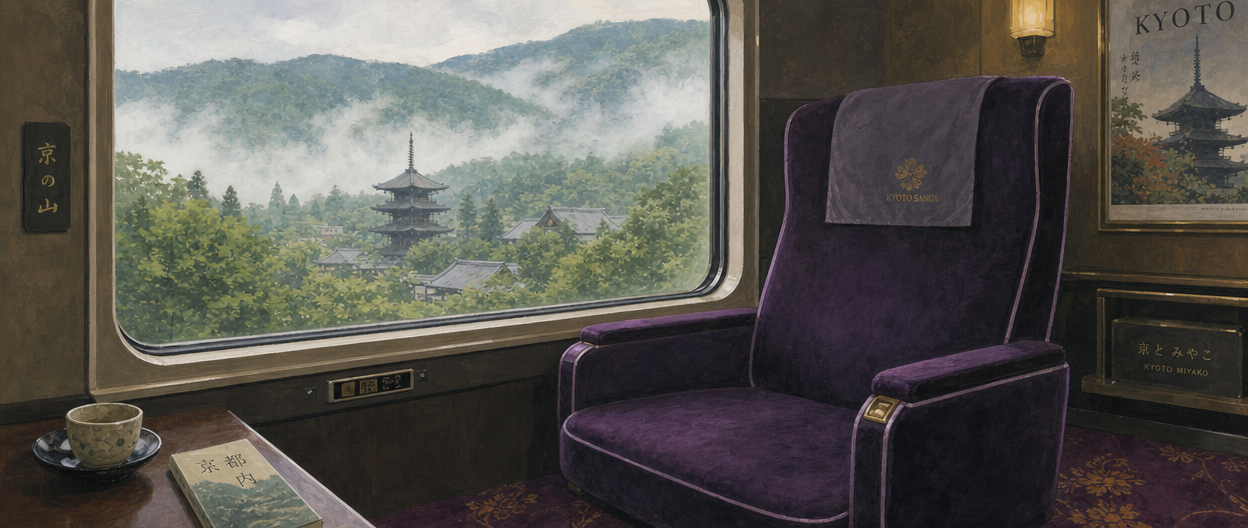
Illustration of a wide reserved train seat in purple velvet with a view of misty Kyoto hills
Reserved comfort cars

Green Car, PRiVACE & Premium Car

Tap for details

Green Car, PRiVACE & Premium Car

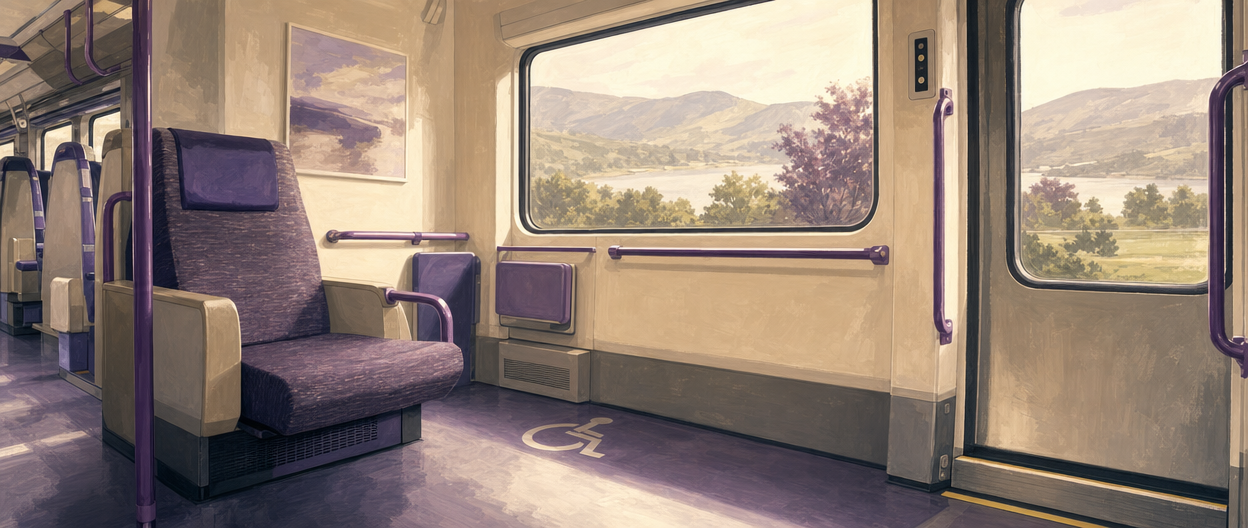
Want guaranteed extra space? The Shinkansen's Green Car, Hankyu's PRiVACE car, and Keihan's Premium Car each sell a wider, reserved seat for a surcharge on top of the base fare.

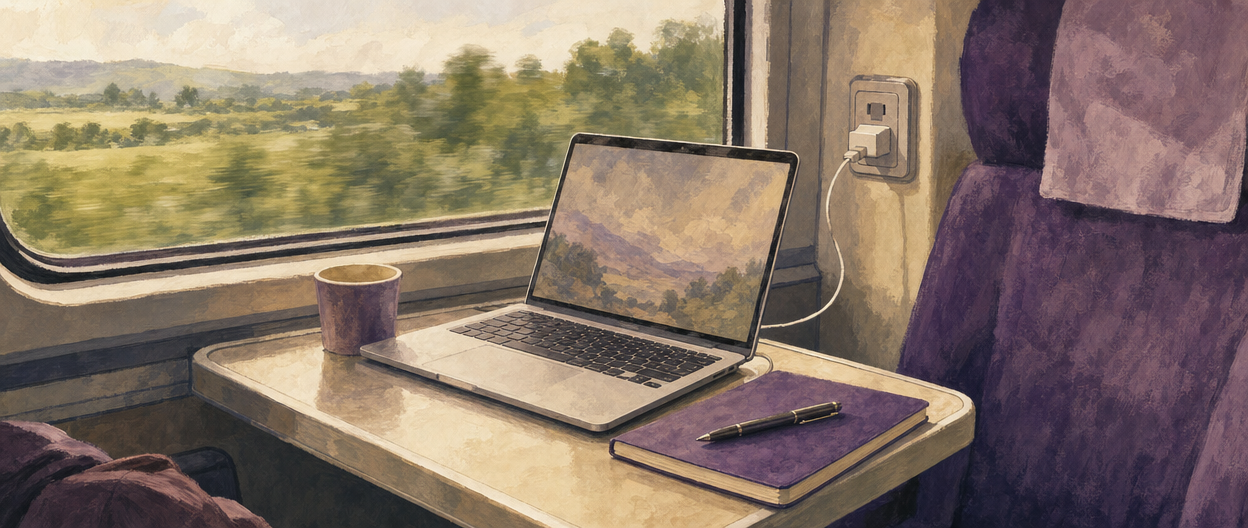
Illustration of a laptop and power outlet at a train window seat with countryside passing outside
Shinkansen only

Free WiFi & Power Outlets

Tap for details

Free WiFi & Power Outlets

JR Central's Shinkansen cars offer free WiFi and at-seat power at most window seats. JR Special Rapid, Hankyu, and Keihan commuter trains generally skip both — it's a short urban hop, not a long-haul ride.

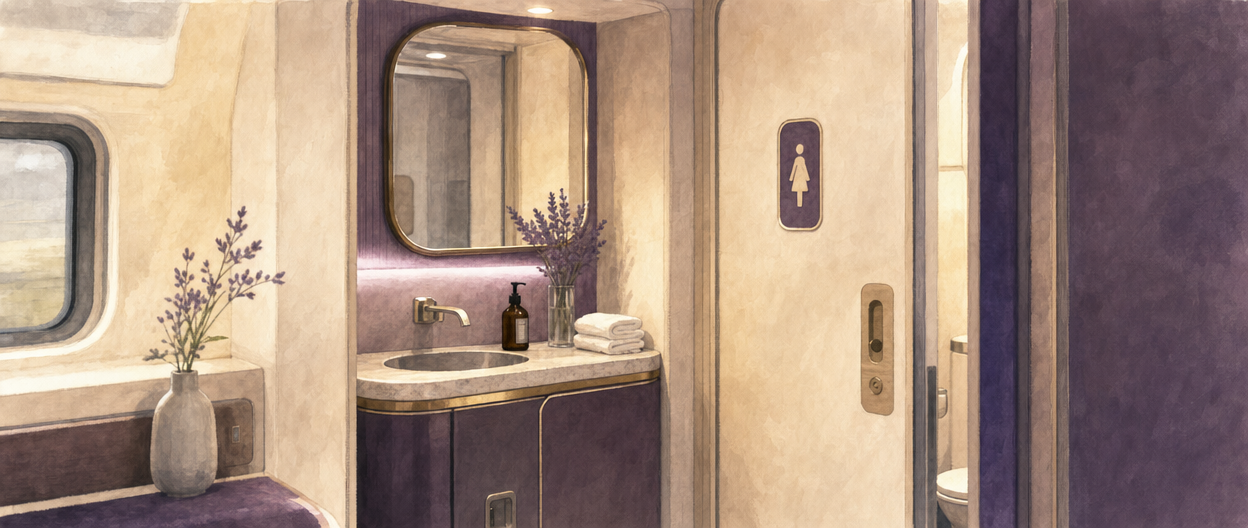
Illustration of a tidy modern train restroom nook with soft lilac accent lighting
Shinkansen only

Onboard Toilets

Tap for details

Onboard Toilets

Every Shinkansen car has its own toilet. JR Special Rapid, Hankyu, and Keihan trains carry at least one toilet car on their longer rolling stock, but not guaranteed in every carriage — worth checking before you board if you'll need one.

Illustration of a purple suitcase resting on an overhead luggage rack inside a train carriage
Overhead racks + rear shelf

Where Your Bag Goes

Tap for details

Where Your Bag Goes

Shinkansen cars have generous overhead racks plus a slim rear-row luggage shelf, reservable in advance for oversized bags. The three commuter lines offer overhead racks only — fine for a carry-on, tighter for a big suitcase at rush hour.

Illustration of a wide accessible train seat near the door with a purple priority-seating armrest
All four lines

Priority & Courtesy Seating

Tap for details

Priority & Courtesy Seating

Every train on this corridor sets aside priority seats near the doors for elderly, pregnant, and disabled passengers, plus dedicated wheelchair and stroller spaces — standard practice across Japanese railways.

Both cities, one trip

Base in Kyoto or Osaka? Day-Tripping the Kansai Corridor

Because every option here runs under an hour, basing yourself in either city and day-tripping to the other is completely normal — the decision usually comes down to what else you want to reach.

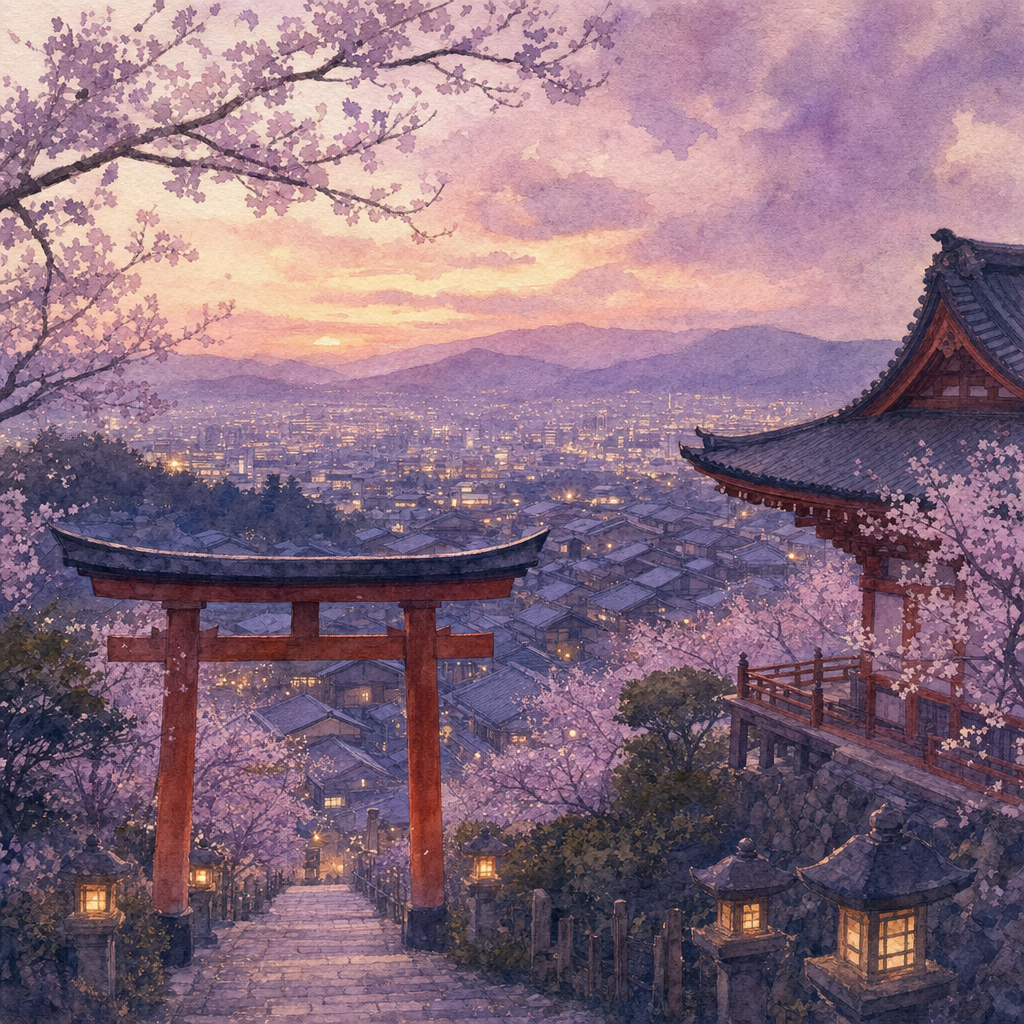
Illustration of Kyoto's vermilion torii gates and temple rooftops on a hillside at dusk

Base in Kyoto

Makes sense if temples and traditional sights are the priority — Fushimi Inari, Arashiyama, Gion are all on Kyoto's doorstep.

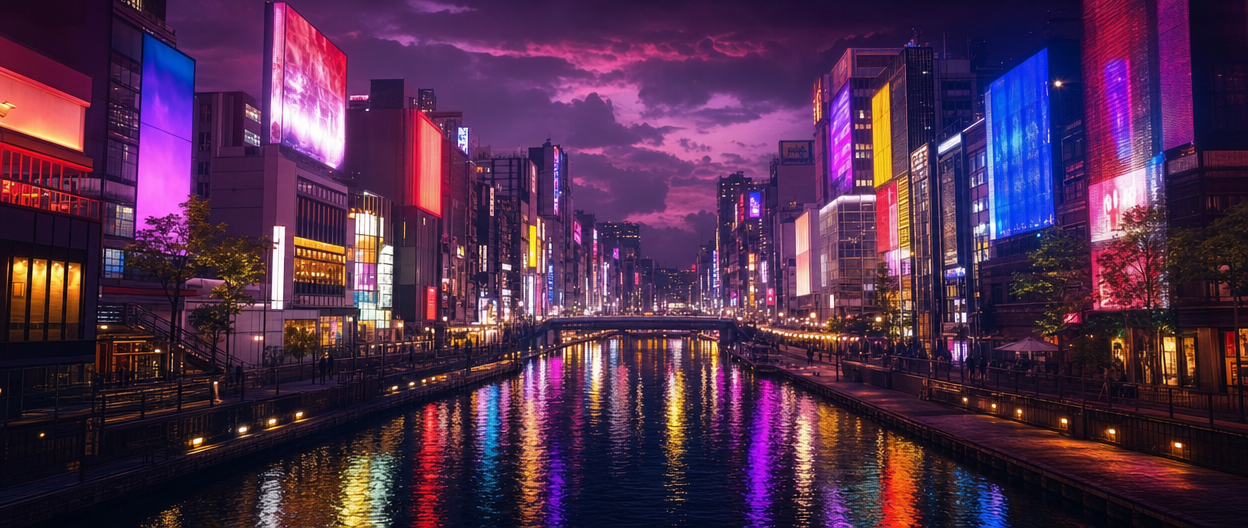
  • Osaka becomes an easy evening or food-focused day trip (Dotonbori, Umeda)
  • Fewer direct long-distance connections than Osaka
Illustration of Osaka's neon-lit canal skyline at dusk

Base in Osaka

Makes sense if you want a hub — Osaka has denser rail connectivity across Kansai and usually more hotel inventory.

  • Nara is a further ~35–45 min away
  • Kobe is ~20–30 min via JR Special Rapid to Sannomiya
  • Kansai Airport and the wider Shinkansen network are both close
While you're at either end

Kyoto and Osaka Highlights, by Station

A short, honest list of what's actually reachable from the stations these four lines use — not a full guidebook, just what's realistic to fit around a Kyoto-Osaka train trip.

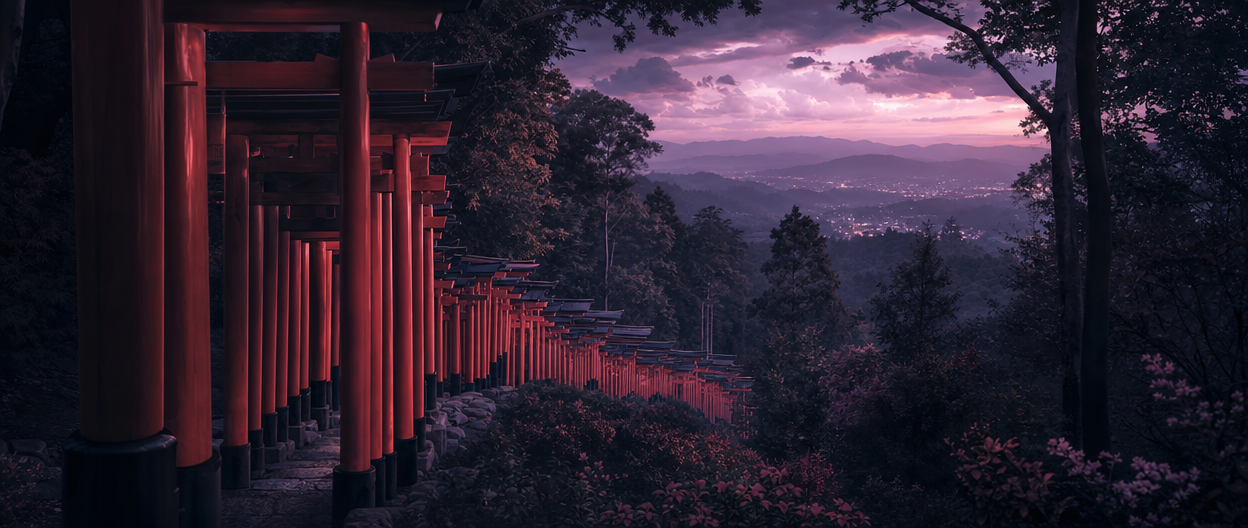
A tunnel of thousands of vermilion torii gates climbing a forested hillside at Fushimi Inari Taisha
Kyoto — JR Nara Line

Fushimi Inari Taisha

Read the guide

Thousands of vermilion torii gates climbing the mountainside, two stops (about 5 minutes) from Kyoto Station on the JR Nara Line to Inari Station. It's free, open around the clock, and close enough to Kyoto Station that it fits into even a short stopover on the way to or from Osaka.

A tall, sunlit bamboo grove path in Arashiyama, Kyoto
Kyoto — JR Sagano Line / Hankyu

Arashiyama Bamboo Grove

Read the guide

Reachable from Kyoto Station via the JR Sagano Line to Saga-Arashiyama, or from Hankyu's Katsura junction — the same stop the Kyoto-Osaka Limited Express passes through, so it's an easy add-on if you're already riding Hankyu that day.

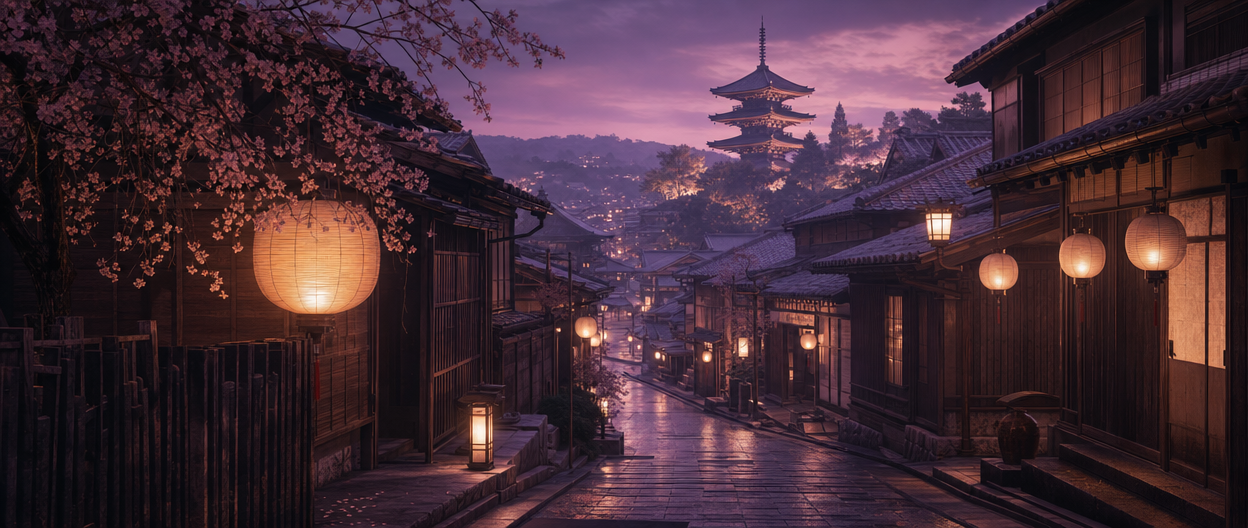
A traditional lantern-lit wooden street in Kyoto's Gion district with a pagoda on the hillside behind
Kyoto — Keihan / Hankyu

Gion & Kiyomizu-dera

Read the guide

Kyoto's old geisha district and its famous wooden temple are both closer to Keihan's Gion-Shijo Station or Hankyu's Kawaramachi than to Kyoto Station itself, which is exactly why choosing the right Kyoto station for your line matters as much as choosing the line.

Neon signs reflected on the water of Osaka's Dotonbori canal at night
Osaka — Midosuji Line from Umeda

Dotonbori & Shinsaibashi

Read the guide

Osaka's neon-lit canal-side food district sits a few subway stops south of Osaka/Umeda Station on the Midosuji Line, toward Namba — an easy evening add-on after arriving at Osaka Station on the JR Special Rapid or Hankyu.

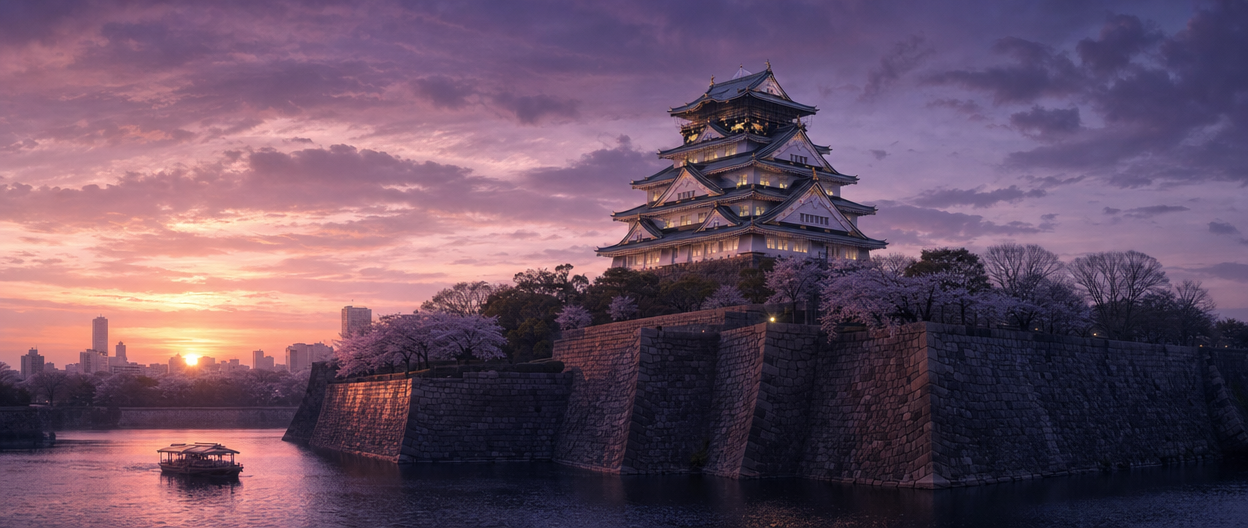
Osaka Castle's white-and-gold main tower behind its stone-walled moat
Osaka — JR Osaka Loop Line

Osaka Castle

Read the guide

One stop-and-a-short-walk from Osaka Station via the JR Osaka Loop Line to Osakajokoen Station, set inside its own park — a straightforward half-day trip that doesn't require the Midosuji subway at all.

Osaka's Umeda skyline at dusk with a skyscraper sky-bridge observatory
Osaka — Walking distance from Umeda

Umeda Sky Building

Read the guide

A floating-garden observatory a short walk from Osaka Station, and one of the easiest Osaka landmarks to fit into a single afternoon between train connections.

Before you tap in

Tickets, IC Cards, and the JR Pass Question

This is one of the simplest corridors in Japan to ride — you rarely need to think about tickets at all.

ICOCA, Suica, PASMO, and other nationwide IC cards work for tap-in/tap-out fares on the JR Kyoto Line, Hankyu, and Keihan — no paper ticket needed.

A card linked through JR's Smart-EX/EX-IC system can board unreserved Shinkansen cars, though plenty of travelers still buy a paper or QR ticket instead.

JR Special Rapid, Hankyu, and Keihan are all non-reserved — just get on. The Shinkansen has unreserved cars on Hikari and Kodama.

Hankyu's PRiVACE car and Keihan's Premium Car are optional paid reserved-seat add-ons on their Limited Express trains.

ICOCA cards are sold from ticket machines at any JR West station, including Kyoto Station and Osaka Station — no deposit is required on the current card design, and balances top up at the same machines.

JR Central's Smart-EX and EX-IC services let overseas travelers register a credit card and a Suica or ICOCA, then reserve Nozomi, Hikari, or Kodama seats online through an app or website and board with just the IC card — no ticket counter needed.

Beyond the standard one-way fare, JR West occasionally sells discount tickets and multi-ride passes for the Kyoto-Osaka corridor; the ICOCA & HARUKA package aimed at visitors arriving via Kansai Airport is the most useful example, bundling a prepaid IC card with a discounted airport-express fare.

For a Kyoto-Osaka-only trip, usually not. The national JR Pass covers Hikari and Kodama Shinkansen (not Nozomi) and JR's own lines — but not Hankyu or Keihan, since both are private railways. If you're doing a lot of JR travel around the wider Kansai region, a regional JR pass may be worth pricing out; otherwise paying per ride with an IC card is simpler and cheaper for this one hop.

Common questions

Kyoto Osaka Train FAQ

Everything travelers ask us before booking this specific hop.

How long does the train from Kyoto to Osaka take?

It depends which line you take. The Tokaido Shinkansen covers Kyoto Station to Shin-Osaka Station in about 15 minutes, JR's Special Rapid service takes roughly 28 minutes into central Osaka Station, Hankyu's Limited Express takes about 43 to 48 minutes, and Keihan's Limited Express takes around 50 minutes.

What is the cheapest way to get from Kyoto to Osaka?

Hankyu Railway's Limited Express is the cheapest at around $2.75 one-way between Kyoto-Kawaramachi and Osaka-Umeda. Keihan is close behind at about $3.25, and JR's Special Rapid costs $3.85 — all well below the Shinkansen's roughly $9.75 unreserved fare.

What is the fastest way to get from Kyoto to Osaka?

The Tokaido Shinkansen, at around 15 minutes between Kyoto Station and Shin-Osaka Station. Just remember Shin-Osaka isn't central Osaka — reaching Umeda or Namba adds another short transfer, which narrows the time advantage over JR's direct Special Rapid service.

Is the Japan Rail Pass worth buying just for Kyoto to Osaka?

Generally no. For a single 30-to-50-minute hop, the national JR Pass costs far more than paying per ride, and it only covers Hikari and Kodama Shinkansen services (not Nozomi) plus JR's own lines — not Hankyu or Keihan, which are private railways. If you're travelling around the wider Kansai region by JR, a regional pass may be worth pricing out; otherwise tapping an IC card per ride is simpler.

Which Osaka station should I get off at — Shin-Osaka, Osaka, or Namba?

Shin-Osaka is Shinkansen-only and sits about 3 to 4 km north of central Osaka, so you'll need a short transfer to reach the city proper. Osaka Station, also called Umeda, is the main hub for JR and Hankyu trains and puts you right in Osaka's commercial center. Namba, further south, isn't served directly by any of these four Kyoto-Osaka lines but is an easy subway ride from Umeda.

Do I need to reserve a seat on any of these trains?

No, not by default. JR's Special Rapid, Hankyu, and Keihan are all non-reserved commuter-style services you simply board. On the Shinkansen, unreserved cars are available on Hikari and Kodama; reserving is optional unless you're travelling during a very busy peak like New Year.

Can I use my ICOCA or Suica card on all of these trains?

Yes. ICOCA, Suica, PASMO, and the other nationwide IC cards work for tap-in, tap-out fare payment on the JR Kyoto Line, Hankyu, and Keihan. The Shinkansen can also be boarded with a linked IC card through JR's Smart-EX/EX-IC system, though many travelers still use a paper or QR ticket.

Which side of the train has the best views?

Neither — it doesn't really matter on this route. The Kyoto-Osaka corridor runs through flat urban and suburban terrain with no standout view on either side. The famous advice about which side to sit on for Mt. Fuji applies much further east, on the Tokyo-bound Shinkansen.

Should I base myself in Kyoto or Osaka?

Either works well, since the journey is short in every direction. Kyoto suits travelers prioritizing temples and traditional sights, with Osaka as an evening or food-focused day trip. Osaka offers denser onward connections — to Nara, Kobe, Kansai Airport, and the wider Shinkansen network — making it a practical base if you're covering more of Kansai.

Is there a last train I need to worry about?

Yes — like most Japanese railways, all four services stop running for the night, typically somewhere around midnight, though the exact last departure varies by station, day, and operator. Check the live timetable on JR West, Hankyu, or Keihan's own site for your specific date rather than relying on a fixed time.

How do I connect to Kansai Airport from Kyoto or Osaka?

The JR Haruka limited express is the direct link: it runs between Kyoto Station and Kansai Airport (KIX), calling at Shin-Osaka and Tennoji along the way, with an IC card or reserved seat both accepted. If you're flying domestically instead, Osaka's other airport, Itami, connects to the city by monorail and bus rather than by any of the four Kyoto-Osaka lines on this page.

What's the difference between JR's Local, Rapid, and Special Rapid trains?

On the JR Kyoto Line, all three cost the same $3.85 fare between Kyoto Station and Osaka Station — the difference is purely how many stations they stop at. Special Rapid skips the most stops and is fastest at around 28 minutes; ordinary Rapid and Local trains call at more stations and take longer, so it's worth checking the platform display for "Special Rapid" (Shinkaisoku) specifically.

Can I send my luggage ahead instead of carrying it?

Yes — Japan's takkyubin luggage-forwarding services, run by companies like Yamato Transport, will collect a suitcase from your hotel and deliver it to your next one, often by the following day. It's a common way to make a Kyoto-Osaka hop luggage-free, alongside the coin lockers available at Kyoto Station, Shin-Osaka, and Osaka Station.

Can a large group ride these trains without booking ahead?

Yes, for three of the four. JR's Special Rapid, Hankyu, and Keihan don't require any advance booking regardless of group size — everyone just taps in with an IC card. Only the Shinkansen benefits from reserving ahead if you want a group to sit together during a busy period.

Can I buy a paper ticket if I don't have an IC card?

Yes. Every station on all four lines has ticket machines selling standard paper tickets, with an English-language option at the touch of a button, alongside the IC card readers — you don't need ICOCA, Suica, or any other IC card to ride the Shinkansen, JR Special Rapid, Hankyu, or Keihan.

What time does the first train run in the morning?

Service on all four lines generally starts somewhere around 5 to 6am, mirroring the late-night cutoff at the other end of the day. Exact first departures vary by station and operator, so check the live timetable on JR West, Hankyu, or Keihan's own site for an early-morning connection rather than assuming a fixed time.
Ready to Book Your Kyoto Osaka Train?

Compare live times and fares across Shinkansen, JR, Hankyu, and Keihan in one search.

Search trains